Understanding the Scope of Reusable Products
A reusable product is one designed to be used multiple times rather than discarded after a single use. In the context of household plastic reduction, the relevant categories include shopping bags, food storage containers, beverage bottles and cups, food wraps, and a range of personal care and household items that are commonly sold in disposable form.
The selection of reusable products available to Canadian consumers has expanded considerably. Items are available through major retailers, specialty kitchen and home stores, bulk food shops, and independent zero-waste retailers. The secondhand market — thrift stores, Facebook Marketplace, and community buy-nothing groups — also provides access to many of these items at lower cost and with no additional manufacturing impact.
Shopping Bags
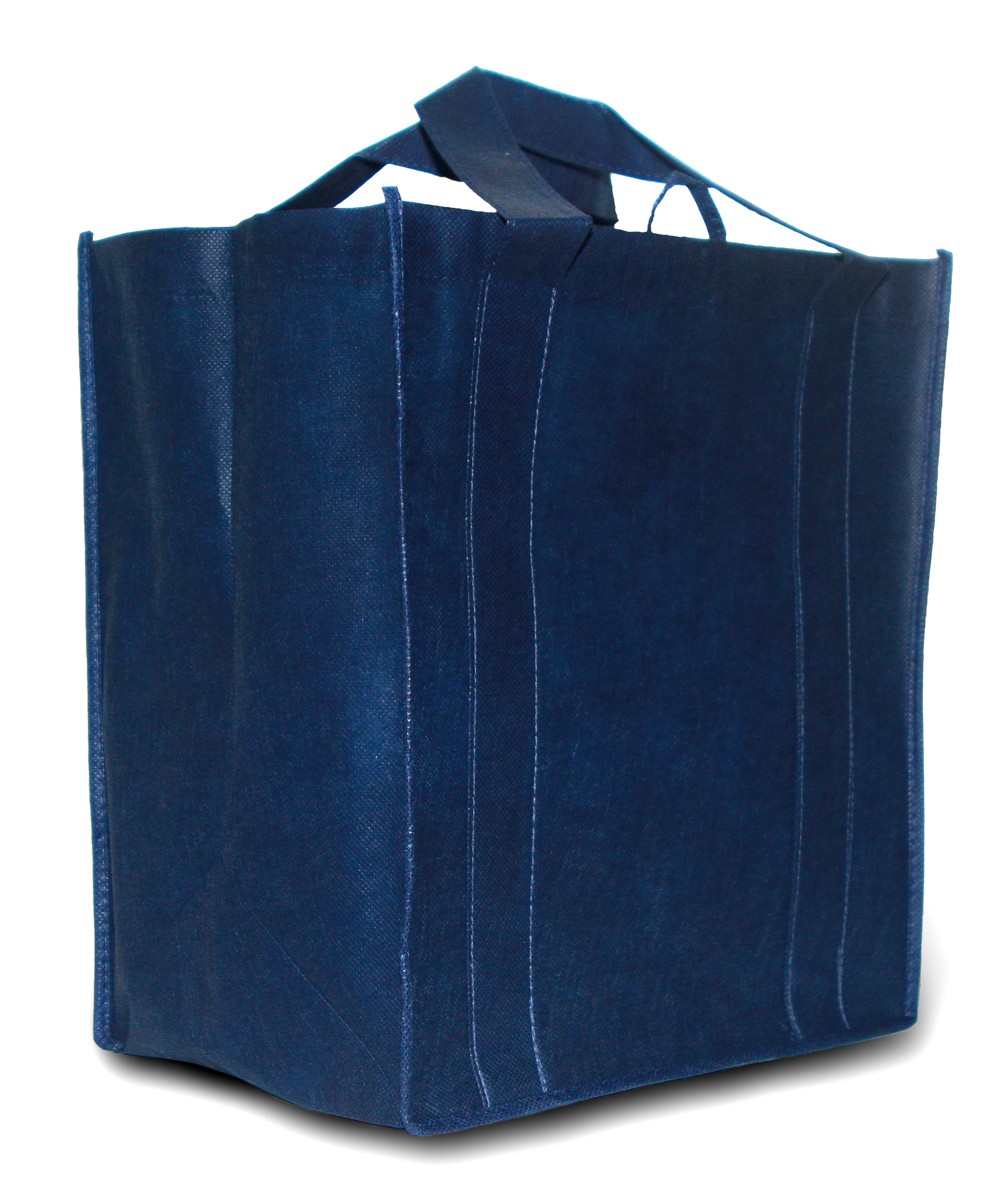
The most straightforward entry point for most households is the reusable shopping bag. Since Canada's Single-use Plastics Prohibition Regulations came into force, plastic checkout bags are no longer provided at most grocery and retail stores. Many shoppers already keep reusable bags for the main grocery shop.
The category extends beyond the standard checkout tote, however. Reusable produce bags — in mesh or lightweight cotton — replace the thin single-use bags used in the produce section. These are available at many grocery stores, kitchen retailers, and online. They can be washed in a mesh laundry bag and used for years.
Cotton or canvas tote bags
Heavy-duty cotton totes carry groceries, farmers market purchases, and general shopping. They are washable and durable. Environmental assessments vary on the number of uses required to offset manufacturing versus a plastic bag; consistent regular use makes the comparison strongly positive.
Nylon or ripstop produce bags
Lightweight, washable bags for loose produce in the grocery store. They are lightweight enough that most scales can be tared to account for them. Sets of various sizes are available from kitchen retailers.
Foldable bags for occasional use
Compact bags that fold into a small pouch for carrying in a coat pocket or purse address the common scenario of an unplanned purchase. Being available to provide your own bag when it was not planned for is where many single-use bags enter circulation.
Food Storage
Food storage containers are among the most directly substitutable reusable items. Glass and stainless steel containers replace plastic wrap, plastic containers, and disposable zip-lock bags for the majority of food storage tasks.
Glass containers
Borosilicate glass containers with locking lids handle leftovers, meal prep, and pantry storage. Glass is non-porous, does not absorb odours or colours, and is dishwasher safe. It is heavier than plastic, which is a practical consideration for packed lunches. Wide-mouth mason jars — the standard Canadian canning jar — serve as bulk food storage containers, drinking glasses, and leftover storage at no additional cost if already used for canning.
Stainless steel containers
Stainless steel containers and tiffin-style stacking containers are lighter than glass and appropriate for children's lunches, outdoor use, and transport. They are available in a range of sizes from single-serving to large storage. They are not microwave-safe, which is a limitation for reheating. They do not leach anything into food and are highly durable.
Silicone products
Silicone stretch lids cover bowls, cans, and cut fruit in place of cling wrap. Silicone bags can be used in the freezer, dishwasher, and for sous-vide cooking. Silicone is dishwasher-safe and rated for repeated high-temperature use. Its durability in practice depends on quality; lower-grade silicone may degrade faster.
Beeswax wraps
Beeswax wraps are fabric sheets coated in a mixture of beeswax, tree resin, and jojoba oil. They conform to the shape of food or a container when warmed by hand pressure. They are effective for covering bowls, wrapping cheese, and storing cut vegetables and fruit. They should not be used for raw meat, near open flame, or in the microwave. They are cleaned in cold water with mild soap; hot water melts the wax coating. Most beeswax wraps last one to two years with regular use before the wax coating fades.
Plant-based wraps using candelilla wax instead of beeswax serve as a vegan alternative with similar properties. Both types are manufactured and sold by Canadian producers including several small businesses operating in Ontario and British Columbia.
Beverage Containers

Reusable water bottles and travel mugs are among the most widely adopted reusable items. The range of available options in Canada is broad, and most outdoor and sporting goods retailers, kitchen stores, and pharmacies carry them.
Water bottles
Stainless steel insulated bottles are the most durable option for most uses. They keep cold drinks cold and hot drinks hot, are impact-resistant, and do not retain flavours or odours with regular cleaning. They are not suitable for carbonated beverages unless specifically designed for that use. Glass water bottles are lighter in perceived weight due to the transparency, easy to clean, and do not affect flavour; they are more fragile. Many are available with silicone sleeves for grip and impact protection.
Travel mugs
Reducing takeaway cup waste requires having a travel mug available when purchasing coffee or tea away from home. Some Canadian coffee chains offer a small discount for customers who bring their own cup; others allow it but do not offer a discount. Travel mug acceptance varies by café. Double-walled stainless steel mugs with leak-proof lids are the most practical for commuting use.
Compost and Kitchen Waste

Organic kitchen waste — fruit and vegetable peels, coffee grounds, eggshells, food scraps — is a significant portion of household waste by volume. Composting diverts this material from landfill, where organic waste decomposes anaerobically and produces methane. Aerobic composting in a backyard pile or bin produces stable compost that can be used in a garden.
Most Canadian municipalities with green bin or organics collection programs accept a broad range of food scraps, including cooked food and small quantities of meat and dairy in some programs. Municipal composting is the most practical option for households without outdoor space. Backyard composting is practical for households with a garden or yard and handles raw fruit and vegetable scraps and garden material well.
Countertop composting containers in stainless steel or ceramic hold scraps collected throughout the day before transfer to an outdoor bin or the municipal organics cart. These are available at kitchen retailers and hardware stores.
A Graduated Approach
Attempting to replace all single-use items at once creates both expense and the risk of purchasing products that are not well-suited to a particular household's habits. A more practical approach is to start with the categories generating the most waste — often shopping bags and food storage — and add items as existing disposables run out rather than discarding products that are still functional.
The Canadian secondhand market is a reasonable source for glass jars, stainless steel containers, and cotton bags, many of which were produced in quantity during the earlier growth of interest in zero-waste practices and are available at low cost at thrift stores and community sales.
Reusable products have a manufacturing impact. The environmental case for using them rests on actual use over time. A stainless steel water bottle used daily for three or more years displaces hundreds of single-use bottles. A glass container used weekly for food storage over a decade displaces several hundred plastic bags or disposable containers. The benefit is realized through consistent use, not through purchase alone.
References
Last updated: June 12, 2026