The Kitchen as the Starting Point
For most households in Canada, the kitchen generates the largest share of single-use plastic waste. Food packaging — cling wrap, produce bags, yogurt containers, condiment pouches, bread bags, and pre-packaged snack items — accounts for a significant portion of what enters the recycling bin or the landfill each week.
The Canadian Environmental Protection Act, 1999 provides the legislative framework under which the federal government introduced the Single-use Plastics Prohibition Regulations. These regulations prohibit the manufacture, import, and sale of specific items including plastic checkout bags, plastic cutlery, foodservice ware made from hard-to-recycle plastics, stir sticks, and straws — with certain exceptions for accessibility needs.
What the regulations do not address is the large category of food packaging: the plastic wrapping around vegetables, the bags inside cereal boxes, multi-layer pouches, and the thin films used to seal meat products. This is where household decisions matter most.
Common Sources of Kitchen Plastic
A useful first step is to spend one to two weeks setting aside all plastic packaging from food purchases before placing it in the recycling or waste bin. This kind of informal audit makes visible what categories are generating the most volume. Common findings include:
Produce bags
Thin plastic bags used in the produce section for loose vegetables and fruit. Many stores now offer paper bags or have removed them entirely; reusable mesh bags serve the same purpose.
Plastic cling wrap
Used to cover bowls, wrap cheese, and seal cut fruit. Beeswax wraps and silicone stretch lids provide alternatives, though both require a modest initial investment.
Bread and bakery bags
Most commercial bread comes in plastic bags. Buying from bakeries that use paper, or baking at home, removes this category. Some bulk stores carry bread in paper when available from local suppliers.
Pre-packaged snack and dry goods
Granola bars, crackers, pasta, rice, nuts, and similar items are most commonly sold in plastic packaging. Bulk stores allow customers to purchase many of these items by weight using their own containers, eliminating the packaging entirely.
Zip-lock and storage bags
Disposable plastic bags used for food storage. Reusable silicone bags and glass or stainless steel containers handle the same storage tasks with fewer disposables over time.
Substitution by Category
The following substitutions are practical for most Canadian kitchens. Not all of them require upfront spending; some involve changing where food is purchased rather than what products are bought.
Produce and grocery bags
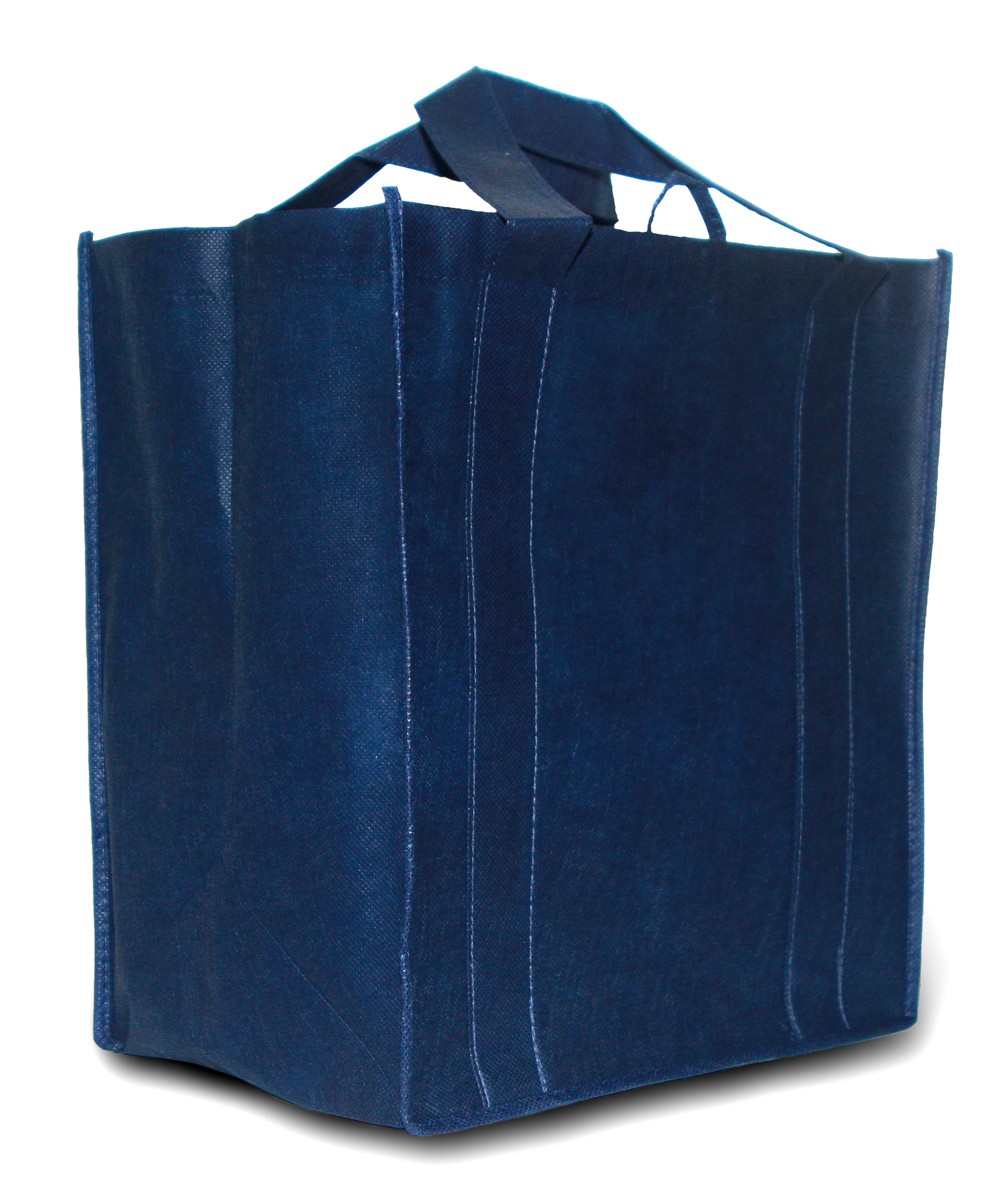
Reusable fabric bags — whether cotton mesh, ripstop nylon, or woven polyester — replace single-use produce bags at the grocery store. Most major Canadian grocery chains, including Loblaws-owned stores and Metro, have removed plastic checkout bags following the federal prohibition. Keeping reusable bags by the door or in a coat pocket is the most commonly cited factor in consistent use.
Food storage
Glass containers with locking lids store leftovers, soups, and cut vegetables without single-use plastic. They are available at most Canadian kitchen supply retailers and secondhand stores. Stainless steel containers are lighter and appropriate for packed lunches. Beeswax wraps work well for covering bowls and wrapping cheese or half-cut fruit; they are temperature-sensitive and should not be used with raw meat.
Dry goods and pantry items
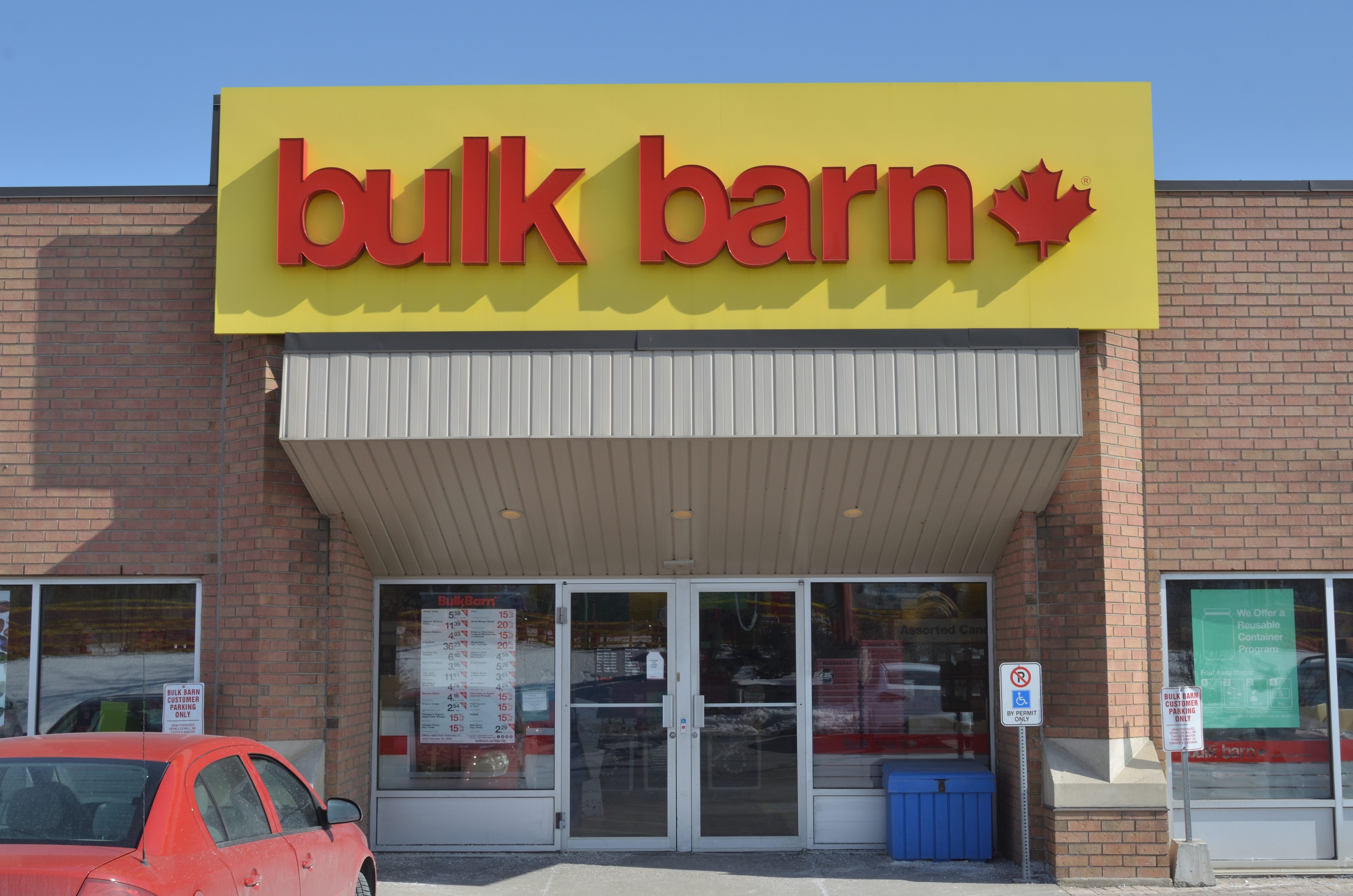
Purchasing dry goods in bulk using reusable containers removes the packaging from this category entirely. This requires locating a store that permits the practice — covered in detail in the article on bulk stores across Canada. Items commonly available in bulk include grains, legumes, nuts, seeds, dried fruit, flour, sugar, coffee, and a range of spices.

Beverages
Single-use plastic bottles account for a measurable share of plastic waste. Tap water in most Canadian municipalities is treated to national safety standards and suitable for consumption without additional filtration in many cases; local water quality reports are publicly available from municipal water authorities. A reusable water bottle in stainless steel or glass removes daily single-use bottle consumption. Takeaway coffee cups — which are technically recyclable in a minority of municipal programs due to their plastic-lined interior — are replaced by a personal travel mug.
What Cannot Easily Be Eliminated
Some food packaging in Canada is difficult or impractical to avoid entirely through household behavior. Multi-layer pouches for products like baby food, condiments, and some frozen goods are not widely accepted in curbside recycling programs and have no direct reusable equivalent at the consumer level. Meat packaging, while increasingly offered without styrofoam trays at some retailers, still typically involves a plastic film seal.
For these categories, options include buying larger pack sizes (which reduces packaging per unit of product), choosing products from brands that have published packaging reduction commitments, or shifting to alternatives that do not use those packaging formats.
Canada's federal government publishes guidance on which plastics are accepted in curbside recycling by province. Recycling acceptance rates vary significantly across municipalities. Checking your local program before placing plastics in the recycling bin avoids contamination, which reduces the overall effectiveness of recycling streams.
A Note on Recycling
Recycling is sometimes treated as an equivalent to reducing plastic use. It is worth noting that recycling rates for plastic vary by resin type, and that some materials accepted in curbside bins in one municipality are considered contamination in another. The hierarchy commonly cited in waste management literature places reduction and reuse above recycling, as both approaches remove the manufacturing and processing energy costs associated with recycling.
Reducing kitchen plastic use by substituting reusable items or buying from bulk stores addresses the source of the waste rather than its end-of-life handling.
References
Last updated: June 12, 2026