Bulk Food Shopping and Packaging Reduction
Purchasing food by weight using your own containers eliminates the packaging that comes with most pre-packaged grocery items. For dry goods — grains, legumes, nuts, seeds, dried fruit, flours, sugars, spices — the product itself is the same whether it is sold in a sealed plastic bag or dispensed into a container you bring from home. The difference is what leaves the store with it.
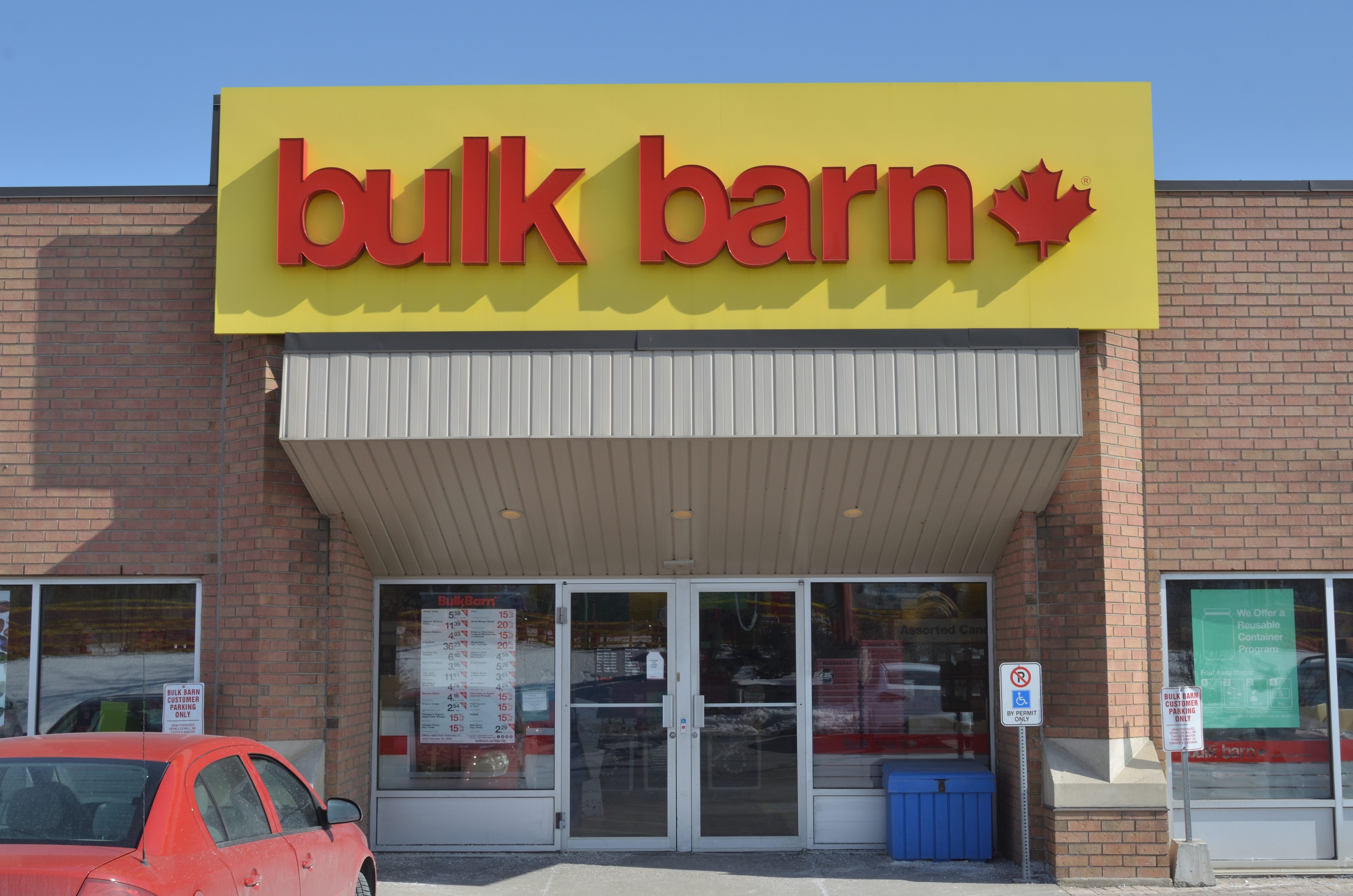
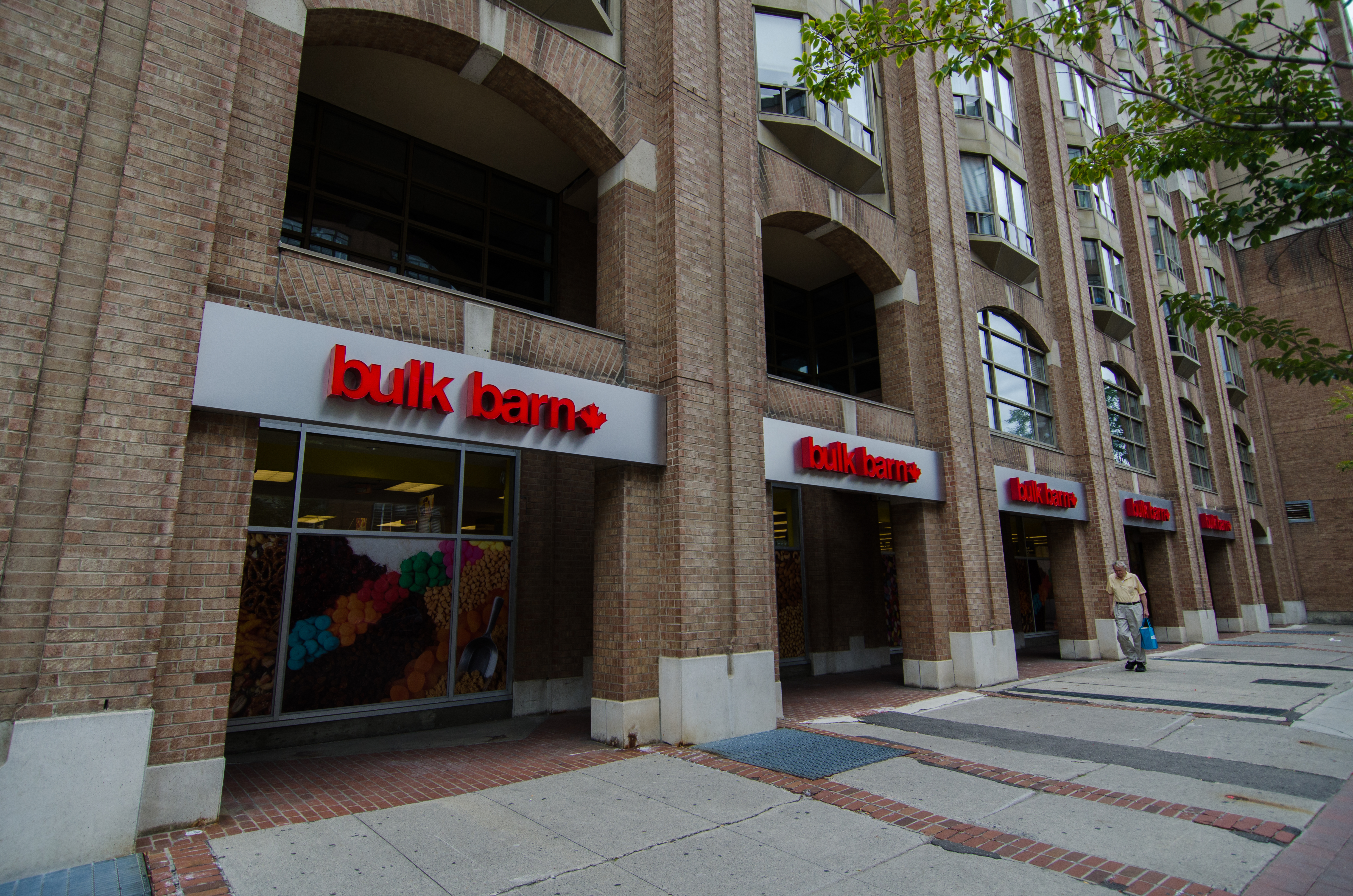
Canada has a relatively developed bulk food retail sector compared with many countries. The national chain Bulk Barn operates more than 300 locations across most provinces and is the most widely accessible option for Canadians outside of major urban centres. A growing number of independent zero-waste or refill shops operates in larger cities, particularly in British Columbia, Ontario, and Quebec.
Bulk Barn: National Coverage
Bulk Barn is a Canadian specialty retailer focused exclusively on bulk food. Its model is straightforward: products are stored in bins and dispensed by customers using provided scoops into bags or, increasingly, into customer-supplied containers. Bulk Barn introduced a reusable container program allowing customers to bring clean containers from home, have them weighed (tared) at the register, and purchase products by net weight.
The chain carries over 4,000 products including:
- Flours, grains, and legumes (wheat flour, oat flour, quinoa, lentils, chickpeas, barley)
- Nuts and seeds (almonds, cashews, sunflower seeds, chia seeds, flax seeds)
- Dried fruit (raisins, apricots, cranberries, mango)
- Sugars, sweeteners, and salt
- Coffee, tea, and cocoa
- Pasta, rice, and other dried staples
- Baking supplies including yeast, baking soda, chocolate chips
- Spices and herbs
- Candy and confectionery
Store locations vary in size and exact product range. Bulk Barn's website provides a store locator; the chain operates in British Columbia, Alberta, Saskatchewan, Manitoba, Ontario, Quebec, New Brunswick, Nova Scotia, and Prince Edward Island. Bulk Barn does not currently operate locations in Newfoundland and Labrador, Yukon, the Northwest Territories, or Nunavut.
Independent Zero-Waste and Refill Shops
Beyond the national chain, independent stores focused on package-free and refill shopping operate in a number of Canadian cities. These stores typically carry a narrower range of food items but often stock household and personal care products in bulk — dish soap, shampoo, conditioner, hand soap, and cleaning products — which bulk food chains generally do not offer.
The category of products available and the specific stores operating in any given city change over time. General-purpose local searches or directories maintained by zero-waste community groups are the most reliable way to identify current options. In some cities, farmers markets include vendors who sell loose dry goods, fresh produce without plastic packaging, and artisan food products in reusable or compostable containers.
British Columbia
Metro Vancouver has a relatively high concentration of zero-waste and bulk food options including multiple Bulk Barn locations, independent refill stores, and a year-round farmers market network. Victoria has similar options at a smaller scale. Both cities have municipal composting programs that work alongside package-free shopping to reduce household waste.
Ontario
Toronto, Ottawa, Hamilton, and London each have multiple bulk food and zero-waste retail options. Bulk Barn's Ontario network is the most extensive of any province given population density. The Toronto area also has a number of independent zero-waste shops that stock household refill products.
Quebec
Montreal has several vrac (bulk) food shops operating under the French-language model common in European zero-waste retail. These stores typically allow customers to bring their own containers for both food and cleaning products. Quebec's provincial government has also introduced regulations on single-use plastics, some of which go beyond the federal baseline.
Prairie Provinces
Calgary, Edmonton, Winnipeg, and Saskatoon each have Bulk Barn locations and, in Calgary and Edmonton particularly, independent zero-waste options that have grown in the past several years. The lower population density outside these cities limits bulk food retail access in rural areas of Alberta, Saskatchewan, and Manitoba.
Preparing for a Bulk Store Visit
Shopping at a bulk food store requires some preparation that is not needed at a conventional grocery store. The following steps make the process straightforward:
Bring clean, dry containers
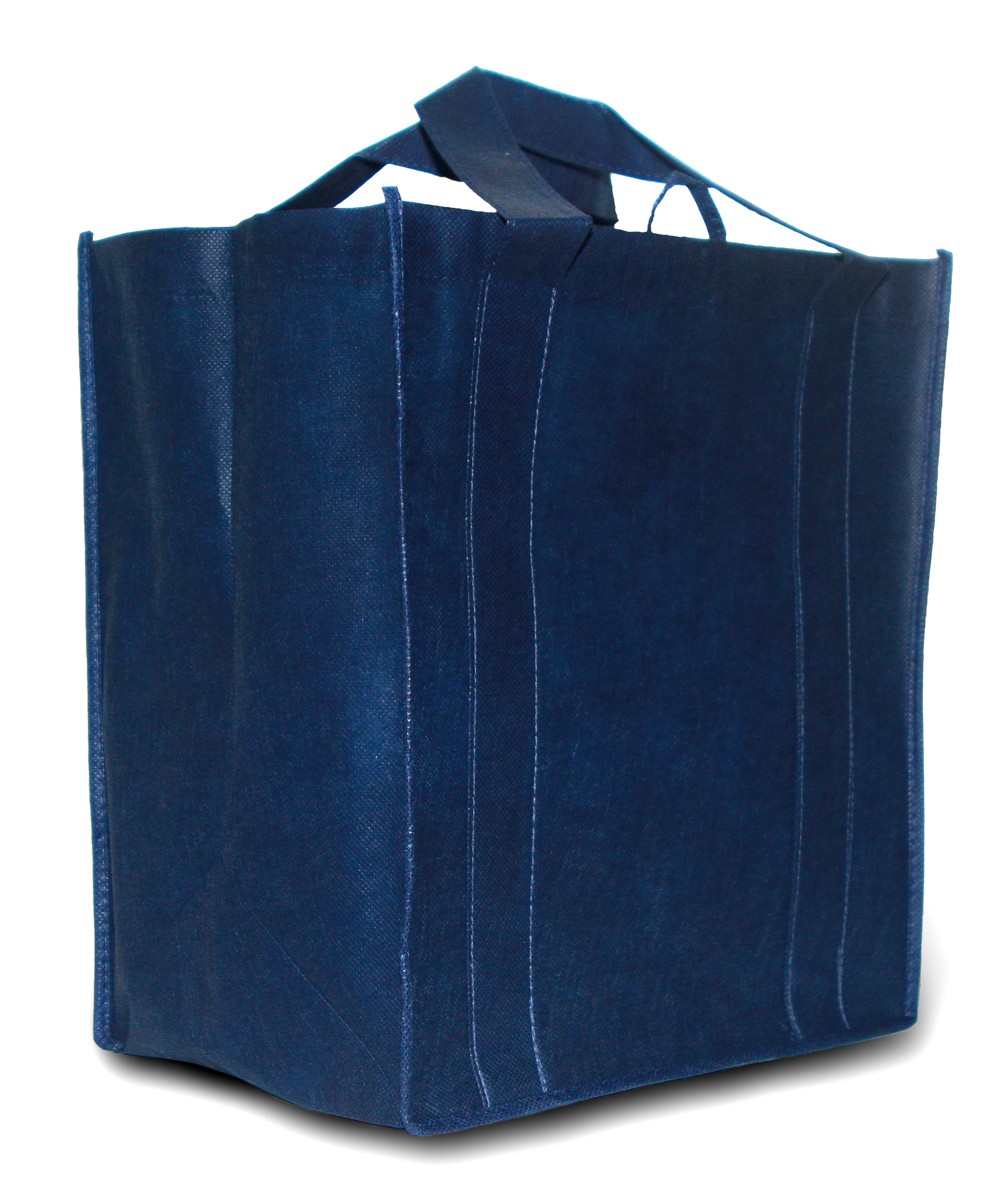
Glass jars, stainless steel containers, and fabric bags all work. Containers must be clean and dry to avoid contaminating bulk bins. Most stores will not accept containers with residue.
Get containers tared at the register
Before filling containers, take them to the register or customer service desk to have them weighed. The weight of the empty container (the tare) is recorded so you are charged only for the product inside.
Note the product bin number
Each bin or product has a code or bin number. Record it on a piece of paper or your phone to give at checkout. Some stores have small stickers available at the bins for this purpose.
Fill to your needed quantity
One practical advantage of bulk shopping is being able to purchase exactly the quantity needed — two tablespoons of a spice, or 500 grams of a grain. This reduces food waste from over-purchasing.
Bulk Barn's container program requires containers to be inspected and approved by staff before filling. Containers must be clean, dry, food-safe, and sealable. The store's website lists the current program details, as policies may vary by location or change over time.
Pricing Considerations
Bulk food pricing varies by product and store. For commodity items like grains, flour, and legumes, bulk stores are often price-competitive with or less expensive than pre-packaged equivalents. For nuts, specialty grains, and imported products, prices may be higher than discount grocery chains. Spices purchased in bulk are frequently less expensive per gram than jarred retail spices, where a significant portion of the cost is in the packaging and branding.
Purchasing only the quantity needed can reduce costs for households that tend to waste food. The ability to try small amounts of less familiar ingredients before committing to a larger package is another practical advantage of the bulk model.
References
Last updated: June 12, 2026